Moving Companies in Indianapolis, IN
Moving Costs in Indianapolis, IN
Local movers in Indianapolis typically charge $95 to $110 per hour per mover, with total local move costs generally landing between $550 and $3,200 depending on the size of your home.
A few things push a quote toward the higher end of that range: weekend bookings (Friday through Sunday tend to cost more than weekdays), moves scheduled at the very start or end of the month, and heavy specialty items like a piano, large gun safe, or hot tub, which often carry their own added fee.
Ask upfront whether a travel or fuel fee is included in the hourly rate or billed separately, since that's a common way a low quoted rate turns into a higher final bill. It's also worth confirming your coverage: basic carrier liability is often legally limited to a small amount per pound, so if you own expensive electronics or heirlooms, look into upgrading to full or third-party valuation protection.
Booking mid-week and mid-month, rather than during a weekend or the month's busiest days, is one of the simplest ways to land a lower rate.
Free · no obligation
Quotes from movers in Indianapolis, IN
Two answers below and we pass your move to licensed companies from this page. No account, no fee to you.
Filter & sort 1 Rating, reviews, fleet, licence
Best Movers in Indianapolis, IN
Ranked by popularity. Licensing, insurance and photos shown for each.


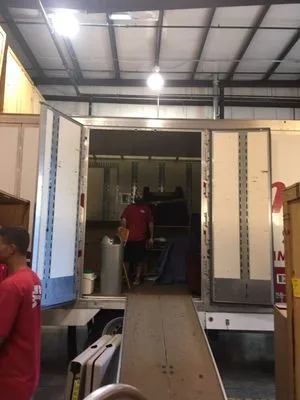

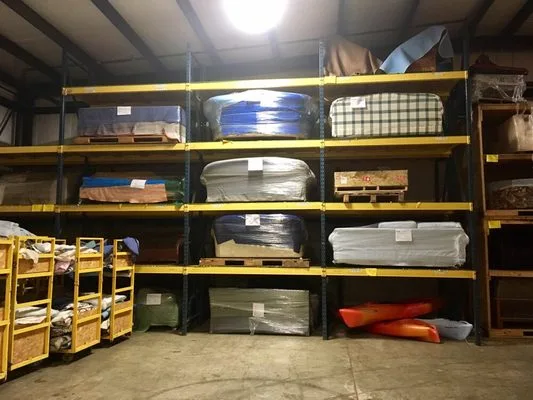

















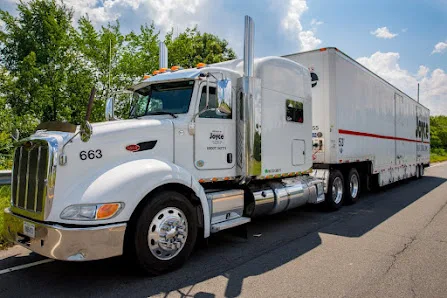






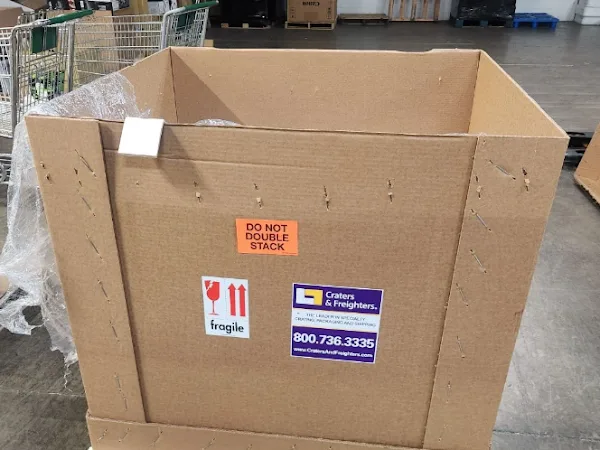





What customers say in Indianapolis, IN
Who's moving to Indianapolis, IN
Federal tax-filer migration data for Marion County.
55% arrived from elsewhere in Indiana. Most arrivals are in-state moves, so a regional company will usually cover it — check interstate authority only if you're crossing a state line.
See licensed movers51% of departures stayed under 50 miles. Short local moves are usually priced by the hour, so a regional company is often the cheaper call.
See the full picture — 5-year trend, state flows and top routes
Indianapolis refills from a distance: nearby counties pull households out, and the rest of the country only partly replaces them.
Each bar shows that state's in/out split — rows are ranked by total volume.
Households arriving from another state report $54,727 in average annual income; those relocating from elsewhere in Indiana report $55,502. Long-distance arrivals are the higher-budget half of the market.
How this works: IRS SOI County-to-County Migration Data, 2022-2023. The IRS compares the address on consecutive tax returns, so every move here is a real filed household. The catch: it publishes annually with about a two-year lag, counts Marion County rather than city limits exactly, misses people who don't file a return, and leaves 17% of moves unattributed to a specific county, because flows too small to publish are grouped into regional buckets instead. See the whole state on the Indiana migration page →
How much truck space do you need?
I’m moving a that’s .
Industry rules of thumb — about seven pounds per cubic foot, and published rental-truck capacities. Not our carrier records, not a quote. Bring both numbers to the call and what you get back will finally be comparable.